

Aloha 5HTers 👋! I’m still in Hawaii soaking up the sun and eating lots of spam (kidding). In the meantime, I wanted to invite you to our brand new 5HT+ Slack channel, now in its own workspace so we can make it bigger and better. Want in? Share your referral link with two friends OR fill out this survey. If you’re already a 5HT+er, be on the lookout for the invite!
#1 Playing golf
I've always been pretty anti-golf, buuut I’ve also had it in the back of my head that eventually I should probably figure out how to be decent at it.
So when a friend of mine told me we were playing golf here ⛳ in Hawaii at an epic course, no matter how much I objected, I knew it was time.
I don’t do things half way, so I found a coach at ATX Golf Performance here in Austin. After a month of driving range sessions, simulators, and private lessons, I’m happy to report my coach told me I’m officially passable 🙌. He also seemed to really appreciate I have “no bad habits.” Guess it’s a good thing I’ve never golfed before? 🏌️
He also said if I spent a year playing 2x/week, I could get good enough to play with just about anyone except, ya know, professionals. I’m LOL not planning to do that, but I am glad to add it to my repertoire. My wife, Sara, has always said we’ll learn golf when we turn 40, but, like the overachiever I am, I got ahead of it at 38. 😆
I love to suck at things. And then I love the challenge of working hard and getting better at them. It’s part of what I’ve liked about getting into rock climbing, too.
There’s still a lot for me to learn and fine-tune, and the only way to do that is through more practice. For example, I’m a pretty good driver now, but I don’t really know how to intentionally hit 150 yards vs. 250 yards. Give me 100+ more tries, and I probably will.
(Eventually.)

So, yes, I had some weird biases about golf. That it’s for people who have way too much time on their hands, husbands who want to get away from their families, and only for the rich people. But that all sounds more like my stuff than golf itself. which is objectively good for your health and gets you in nature (also objectively good for you).
Needless to say, I’m glad I got over them and can go when friends invite me. If you’ve also written off golf, or any other healthyish activity, maybe this is your nudge to give it a shot. And if you haven’t been inviting me because you assumed I’d suck, I’m here to tell you my coach says I’m “passable.” 😂
#2 Aspirin preventing cancer
Turns out, there’s mounting evidence this medicine-cabinet staple might help prevent certain cancers from developing or recurring.
A randomized controlled trial published in The Lancet followed 861 people with Lynch syndrome, a genetic condition that significantly increases the risk of colorectal and other cancers. After a decade of follow-up, researchers found people who took 600mg of aspirin daily for at least two years roughly HALVED their risk of colorectal cancer. 😮
Follow-up research suggests much lower daily doses, around 75–100 mg, may be enough to reduce bowel cancer risk in people with Lynch syndrome, too. Those results have already influenced UK guidance for people with Lynch syndrome.
But wait, there’s more!
Another randomized controlled trial studied if aspirin could reduce the risk of recurrence in people diagnosed with colorectal cancer with genetic changes in the PI3K signaling pathway, which occurs in about ⅓ of cases. Results showed patients taking aspirin were 55% less likely to have their cancer recur following treatment than those taking placebo.
In Sweden, some patients are already being screened for these mutations and offered low-dose aspirin if eligible.
This is where aspirin gets especially interesting. It’s not just “everyone take aspirin forever.” (Believe it or not, Trump takes 4x the recommended dose every day?). It’s starting to look more like precision medicine hiding in plain sight: some people, with some genetic risks or tumor mutations, may benefit enormously from a very cheap, very old drug.
And cancer isn’t the only place aspirin keeps resurfacing. In pregnancy, low-dose “baby aspirin” is already recommended for many people at high risk of preeclampsia, a serious blood pressure-related complication. Another example of a dirt-cheap, very old drug being used in a more targeted way.
Very important caveat before everyone sprints to the Costco-sized aspirin bottle: aspirin is still a real drug. Daily use can increase bleeding risk, so this is very much a “talk to your doctor” thing, not a “health newsletter told me to snort Bayer” thing.
As for whether aspirin can help after other cancers, there’s a massive trial called Add-Aspirin looking at whether regular aspirin use after treatment for early-stage breast, colorectal, prostate, and gastroesophageal cancers can help prevent cancer from coming back. Results are expected next year. 🤞
#3 David selling (canned) cod
Oops, they did it again.

After causing a stir last year by selling cod, David (yes, the protein bar) is back at it. This time with canned cod.
I love the audacity. I also love that they’re doubling down on the schtick so hard they’re calling it “Cod 2.” 😂
Again, why does a protein bar company sell canned fish? Well, they answer this in their FAQs (which, if you’re a content marketer, is a muuust for an SEO-friendly product page fyi).
Their response:
David is committed to delivering the most protein for the fewest calories. Our bars are one expression of that. Cod is another: a two-ingredient food with 18g of protein, 70 calories, 0g sugar. Exceptional macros, now in two different forms.
Brilliant. 🤌 Aaand, yes, I already ordered some.
#4 John Hancock's Vitality program
Last month, I wrote about healthcare's broken incentive structure and how 10-year catastrophic health plans could give insurers a reason to actually help people get healthier, not just pay up once they get sick. (Crazy idea, right?)
We’ve seen lots of versions of this idea. Employers use incentives for wellness. Medicare Advantage tries (with mixed results). But the strongest example, IMO, where the incentives are the most closely aligned is… life insurance.
Because, well, it literally profits when you live longer and don’t, er, die
John Hancock's Vitality program is probably the best example of this in action that I’ve seen. It blows traditional life insurance out of the water.

Policyholders are rewarded for healthy choices like taking a walk 🚶, buying fresh produce 🍑, and keeping up with preventive checkups 👩⚕️. Once logged, those healthy activities earn you “Vitality Points.” Those points add up to a “Vitality Status.” The higher your status, the better the rewards.
Those rewards include discounts on wearables, access to preventative tests, and up to 25% off (!!) life insurance premiums. All together, they’re actively encouraging you to live a longer, healthier life.
Annnd it seems to work. Their data shows 82% of members ‼️reported similar or better overall health YOY. Hard to beat an ROI measured in healthier years.
I’ve been thinking about life insurance as an interesting surface area for aligning financial incentives and driving behavior change since the early days of what ended up being my last venture-backed startup, Ness.
I’ve been tinkering with a life insurance + longevity play, a new idea at this intersection (working title is Longitude, btw). It’s a more modern, AI-powered version of what John Hancock’s Vitality offers for people like 5HTers. More about that soon 🤫.
#5 The sway test
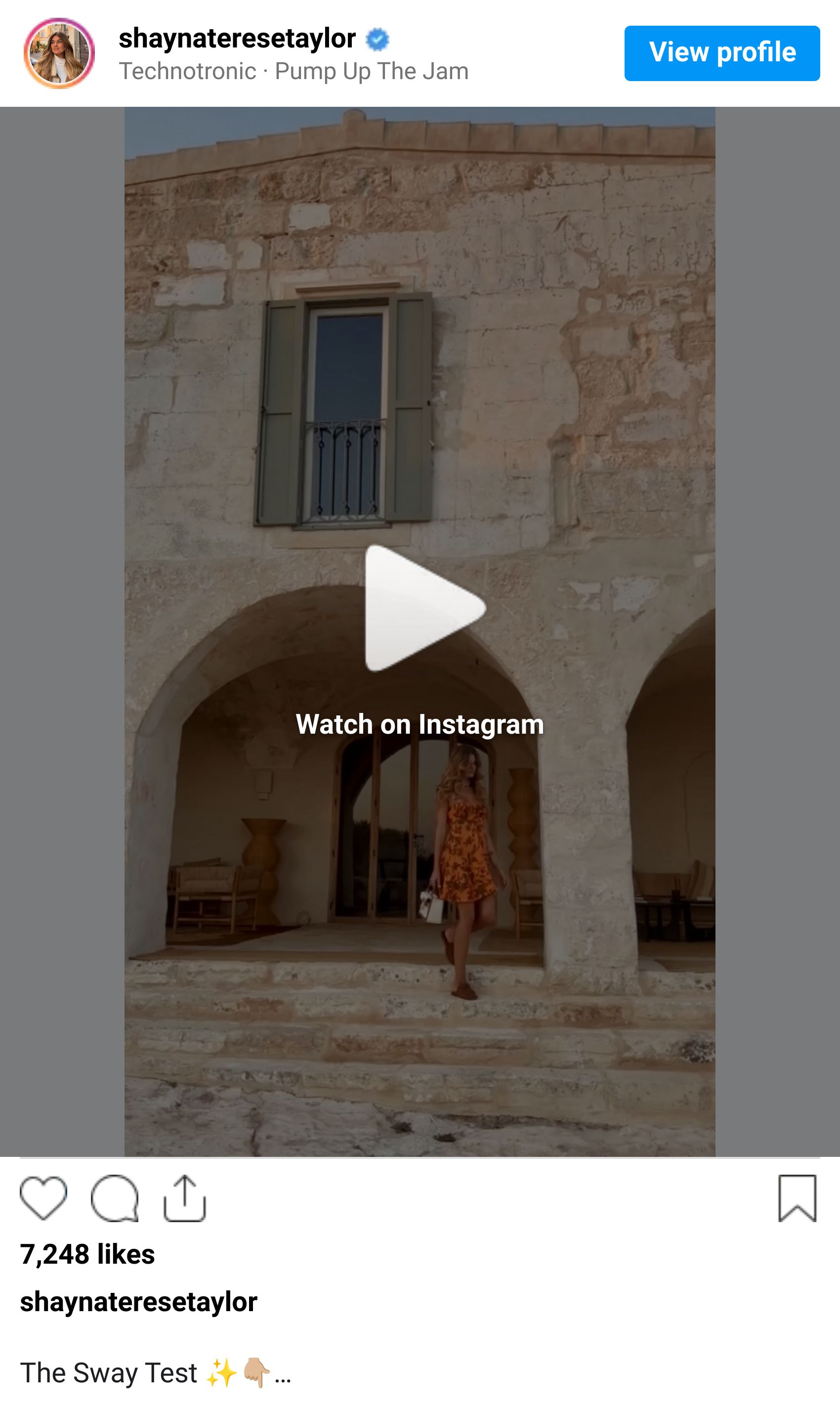
This immediately set off my woo alarm 🚨, so obviously, I had to look into it.
Annnd, sorry to spoil it, but there’s no solid evidence this works 🤷♂️.
The “sway test” is a form of muscle testing based on the ideomotor effect: a phenomenon where your body makes tiny, involuntary movements in response to thoughts, expectations, or suggestions. It’s actually the same phenomenon people point to when explaining why Ouija boards “move.” 👻
My take: good for deciding tacos vs. Thai. Bad for building a supplement stack 🙅♂️.
⚡ Neural hacks
Directions: Copy, paste, and fill in the prompt below to create a recovery day protocol.
Act as an empathetic, evidence-informed health coach. Help me create a simple recovery day protocol for when I feel tired, sore, stressed, run-down, or low-energy.
Ask me a few questions first about:
Why I feel like I need a recovery day
How I slept last night
How my body feels today
How my mind feels today
What I have to get done
What I have available to help me recover
Then give me:
A simple morning-to-night recovery plan
What to eat and drink
How much movement to do, if any
One nervous system reset
What to avoid today
How to set myself up for better sleep tonight
Keep it realistic, low-effort, and healthyish. Make it feel doable for a day when I’m already running low.
🍿 Brain snacks
This smart underwear tracks farts 💨 in real-time. FINALLY.
The Atlantic says the protein shortage is coming. The horror!! 😱
New wearable, Sandbar, is a smart ring designed to organize your thoughts.
New telehealth platform, Lavela Health, is dedicated to “women navigating reproductive and pregnancy loss, including miscarriage, stillbirth, TFMR, and infertility-related grief.”
Apparently, bonesmashing—tapping your face with a hammer 🔨 to shape your bone structure—is trending among looksmaxxers? Thanks for sharing, Sonya M!
Multiple winners at this week’s Enhanced Games—the Peter Thiel and Don Jr.-funded exhibition where steroids, hormones, and other stuff are allowed—were non-enhanced athletes. Their stock dropped. Pretty awkward 🐢, though tbh my guess is this will continue to grow and get more attention over time.
Jordan Pascasio argues strength 💪 is the last unlogged frontier in fitness. Thanks for sharing, Vanessa C!
Obsessed with this thread on Reddit on what a person can learn in 10 minutes that will be useful for life.
Morning routines continue to look exhausting 😩. Thanks for sharing, Cory Z!
Most clicked last week: Vagina-maxxing.
Shoutout to Vanessa C, Cory Z, Sonya M, Catarina D, Webb K, and Tanya E for sending emails or contributing to 5HT+ Slack community!
Want in on 5HT+? Two referrals get you in. Share your unique code, and join the chat. → {{ rp_refer_url }}
👋 Who are you again? I’m Derek Flanzraich—founder of two venture-backed startups in Greatist (👍) and Ness (👎). I’ve worked with brands like GoodRx, Parsley, Midi, Ro, NOCD, and Peloton. I now run Healthyish Content, a premium health content & SEO agency (among other things).
Every Thursday (and now Sunday!), I share healthyish things I feel strongly about. (Disclaimer: I’m more your friend with health benefits. None of this is medical advice.) Also some links are affiliate links, but they influence my decisions zero.
Oh, you also feel strongly about some health things? Hit reply—I’d love to hear it.